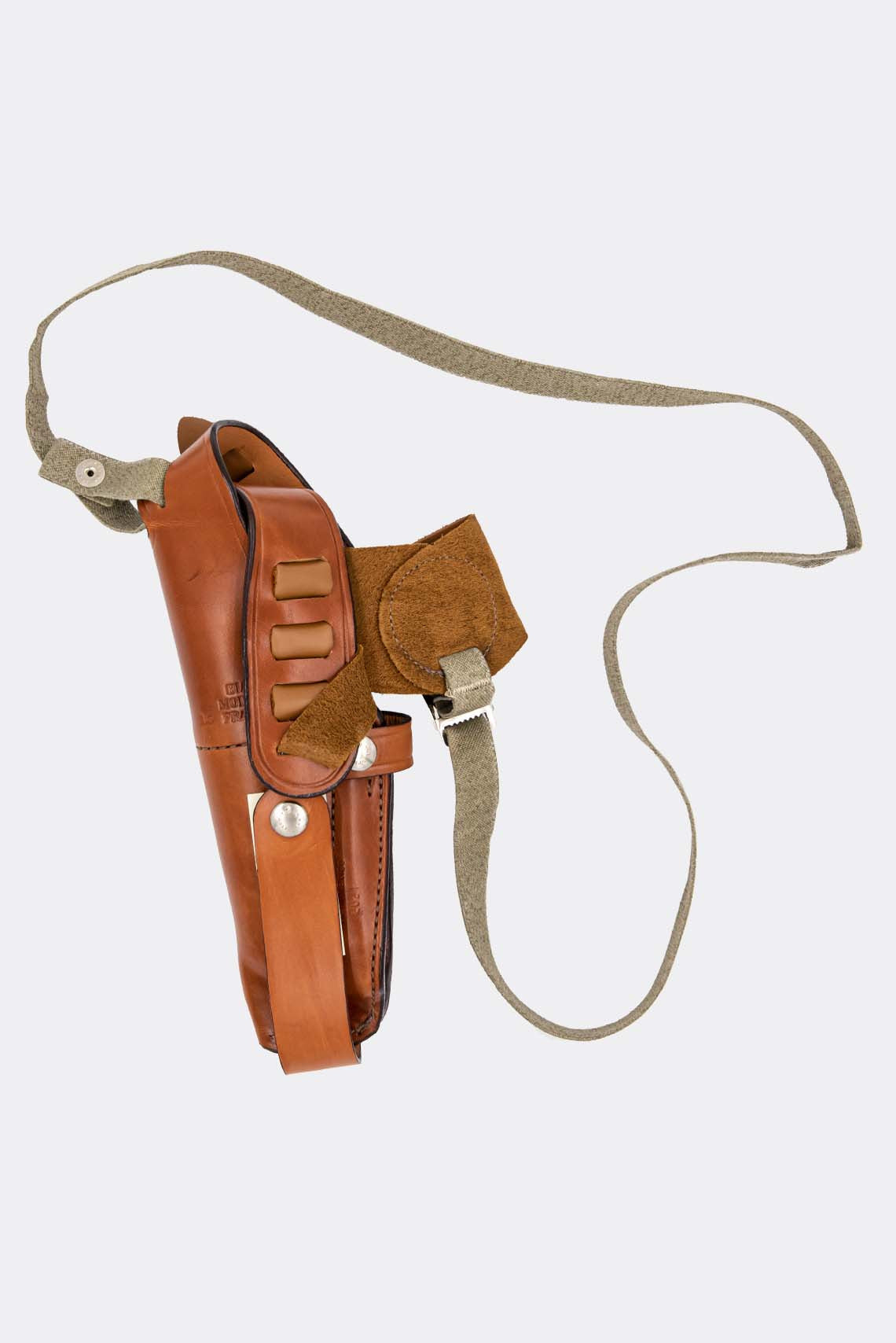
Selecting the right shoulder holster is one of the most critical decisions for anyone who carries a firearm regularly. While inside-the-waistband and outside-the-waistband holsters dominate the market, shoulder holsters offer a distinct set of advantages, particularly for seated comfort, accessibility under outerwear, and heavy-duty concealed carry. However, a poorly designed shoulder rig can quickly lead to neck strain, poor concealment, and unsafe draw conditions. Finding a premium shoulder holster requires careful consideration of material quality, weight distribution, retention mechanisms, and personal ergonomics.
- Material Integrity and Craftsmanship
The foundation of any superior shoulder holster is its material. Leather remains the traditional gold standard for shoulder rigs due to its flexibility, durability, and comfort against the body. Look for full-grain leather when assessing leather options because it maintains the highest degree of age-related resilience and natural strength. Top-tier leather holsters should feature precise stitching, finished edges, and a smooth lining that protects your firearm’s finish while resisting sweat and moisture over long hours of wear.
Synthetics such as Kydex, nylon, or hybrid combinations have also earned a solid place in modern carry setups. High-impact polymer shells offer unmatched rigidity, consistent retention, and resistance to environmental elements like rain or heat. Modern hybrid shoulder holsters often incorporate smooth leather or padded neoprene harness straps paired with lightweight polymer shells, merging modern safety with classical comfort. Whichever material you prefer, ensure the components are rugged enough to maintain structural integrity under continuous weight and movement.
- Harness Configuration and Weight Distribution
A key factor distinguishing an outstanding shoulder rig from a mediocre one is the harness design. Carrying a firearm alongside extra ammunition introduces asymmetrical weight that can cause significant physical discomfort if not properly offset. Look for harnesses designed with wide, contoured shoulder straps that spread weight evenly across the back and shoulders rather than concentrating pressure on the trapezoid muscles near the neck.
A high-performance harness features a central back-plate, often called a cloverflex or spider-harness connector that pivots as your body moves. Swiveling hardware allows the straps to adjust naturally whether you are standing, walking, or sitting down. Furthermore, complete adjustability across all attachment points is essential. A customizable fit allows you to position the holster at the exact height and angle that feels natural, preventing friction and ensuring smooth, reliable draw movements.
- Secure Retention and Trigger Guard Coverage
Safety should always be the absolute top priority when selecting any carry rig. A top-tier shoulder holster must provide reliable retention to keep the firearm securely anchored regardless of physical activity. Traditional leather setups often feature a snap-thumb break, which adds an active layer of security that can be quickly released during a draw stroke. Modern polymer designs frequently use passive friction retention or active mechanical release buttons.
Equally important is total coverage of the trigger guard. The holster shell or pocket must completely enclose the trigger area to prevent accidental interference from foreign objects, clothing folds, or stray fingers during movement or holster entry. Ensure that the retention mechanism holds the firearm firmly without requiring excessive force that could compromise your balance or disrupt your draw posture.
- Firearm Orientation and Concealment Profile
Shoulder holsters generally position the firearm in either a horizontal or vertical orientation, and selecting the right profile depends largely on your firearm size and body frame. Horizontal holsters align the barrel parallel to the ground, offering the fastest and most natural draw angle. This setup works exceptionally well for compact and subcompact handguns, as the short barrel length remains easily hidden beneath a lightweight jacket or unbuttoned coat.
Vertical holsters angle the barrel straight toward the ground, making them ideal for full-sized handguns, long-barrel revolvers, or heavier frames. Because the firearm hangs vertically alongside your torso, it eliminates the risk of the muzzle printing against the back of your coat. Selecting the proper orientation ensures that your setup remains subtle, fully concealed, and tailored directly to your specific handgun geometry.
Conclusion
Investing in a high-quality shoulder holster enhances daily carry comfort, accessibility, and peace of mind. By prioritizing durable materials, ergonomic weight distribution, complete trigger safety, and personal frame considerations, you can select a shoulder rig that delivers dependable performance over a lifetime of use. A well-crafted shoulder holster seamlessly merges functional safety with all-day wearable comfort.





Leave a Reply