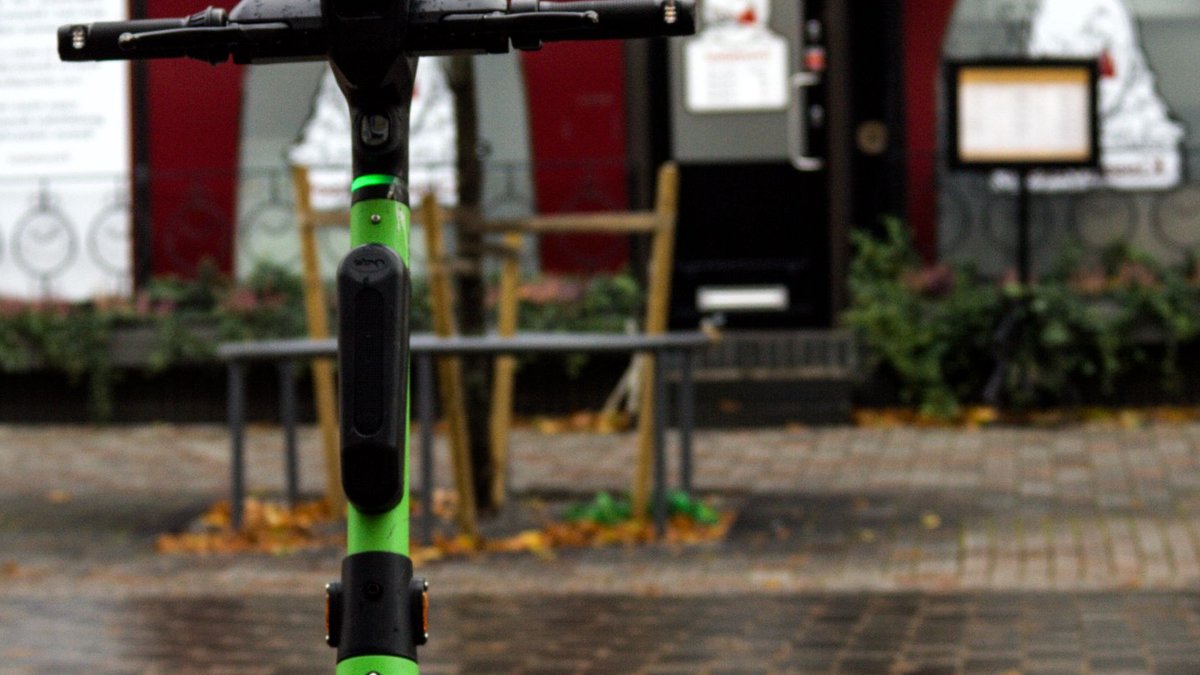
The Ministry of Transport has issued a new set of rules governing the use of electric scooters and similar lightweight personal-mobility vehicles across the national territory.
Technical and Safety Requirements
The resolution dated 4 August 2026 amends existing traffic regulations and implements provisions of Law 2486 of 2025, which was created to promote urban electric mobility and to define standards for new transport devices.
All devices must be equipped with a functional braking system, a white front illumination, a red rear-brake light, and a non-adjustable speed limiter that cannot be tampered with. The limiter is intended to keep the vehicle’s maximum velocity within the limits set by the law.
Riders are required to wear a certified helmet at all times. Between 6 p.m. and 6 a.m., a reflective garment covering the chest and back must also be worn, ensuring visibility during low-light conditions.
In enclosed spaces such as bike lanes or recreational tracks, the maximum speed is capped at 25 km/h unless authorities set a lower limit. This restriction applies to all qualifying scooters, regardless of brand or model.
Operational Limits and Enforcement
The new rules forbid recreational or sport use of these vehicles on sidewalks, pedestrian zones, green areas and other public footpaths. Violations in those zones will be treated as traffic infractions.
Outside the urban perimeter, only electric bicycles that meet safety criteria and carry an identification plate may operate, with a top speed of 40 km/h unless a lower limit applies. They are barred from tunnels, viaducts, railways and corridors posted at 80 km/h or higher, where higher-speed traffic predominates.
Officials and public-transport operators will define protocols for loading, parking and securing these vehicles on buses, stations and terminals. Until those protocols are finalized, entry into any public-transport system remains prohibited.
From 1 January 2027, manufacturers, importers and sellers must affix an identification plate to each qualifying vehicle. Owners of units sold before that date must install the plate by the same deadline.
Senior associate Diana Carolina Ramírez of Sescol Tax & Legal noted that violations carry a fine of six daily minimum wages, roughly $350,181, for offenses such as riding on sidewalks, exceeding speed limits, or operating without required safety gear. Riding under the influence also triggers vehicle immobilization, and the fine is enforced by traffic police.
The resolution obliges the installation of the identification plate but does not create a separate penalty solely for its absence.
Producers, importers and distributors are tasked with confirming the correct classification, providing accurate technical data and ensuring the plate is installed on all units marketed after the effective date.





Leave a Reply