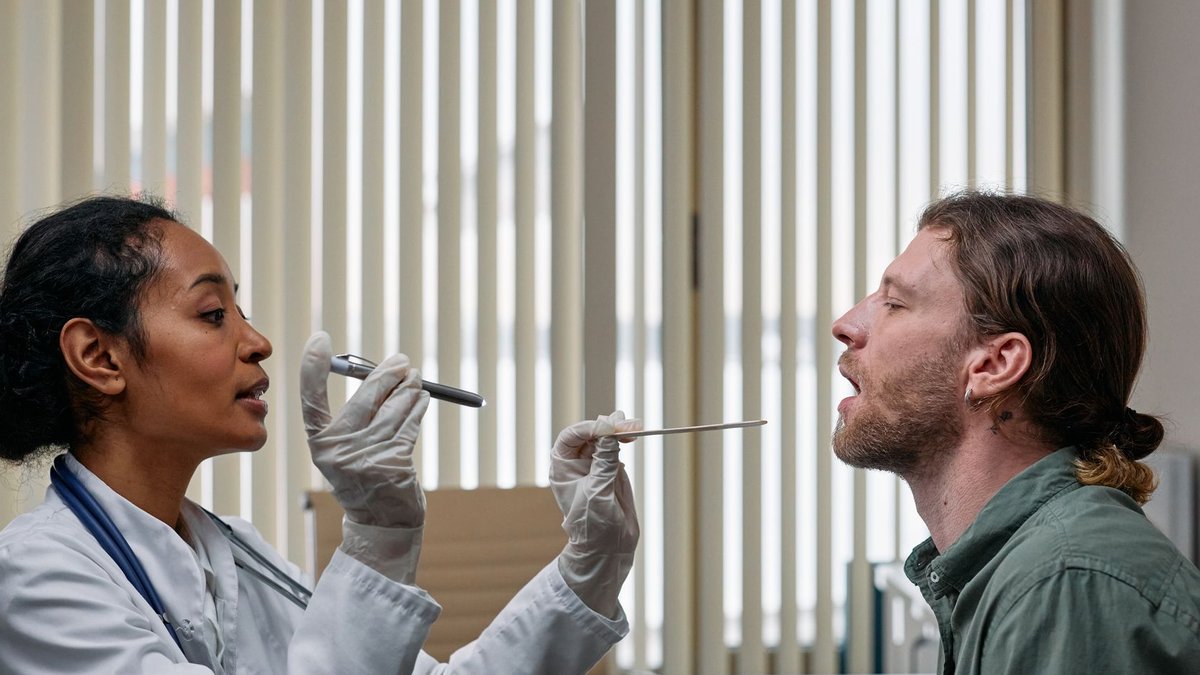
A medical diagnosis error can lead to serious consequences for patients, including delayed treatment and worsening health conditions. If a patient receives an incorrect diagnosis, they might be prescribed the wrong medication or sent home with no treatment, only to discover later that the condition was actually more serious than initially thought. These situations raise important questions about patient rights and the legal recourse available when healthcare providers fail to deliver accurate care.
Legal consequences for medical professionals
Doctors, clinics, and health insurers may face legal action if a diagnostic error causes harm to a patient. The consequences can range from administrative penalties to criminal charges, provided a failure in care is proven and it directly resulted in damage. An incorrect diagnosis does not automatically trigger criminal liability, but it may if the medical professional violated established protocols and scientific standards known as lex artis, and this breach caused the patient’s injury or death.
According to attorney Sebastián Rondón, a diagnostic error by a health professional can generate criminal responsibility when it leads to health injuries or, in severe cases, the patient’s death. The type of crime may vary, but it typically falls under the category of unintentional personal injury or unintentional homicide. To establish this, it must be proven that the professional failed to meet the required standards of care and that this failure had a direct link to the harm suffered by the patient.
Building a case for a patient
Proving a medical error requires a thorough collection of evidence. Jesús Albrey González, general manager of González Páez Abogados, notes that a patient must gather the complete medical history, diagnostic tests and images, records of subsequent care, medical orders and authorizations, communications with health entities, and documentation of the claimed damages. A specialist’s opinion is often key to determine what should have been done, whether a failure occurred, and how it relates to the patient’s injury.
Related Post: Understanding the Handling of Surgical Errors in Medical Malpractice Cases
The legal path depends on the goal of the claim. A patient seeking explanations or to resolve administrative issues can file a complaint with the health insurer (EPS) or the health ombudsman. If the concern involves alleged professional ethical violations, the case may go to the relevant Sectional Medical Ethics Tribunal. For compensation claims, the patient can pursue civil or contentious-administrative jurisdiction. When there are indications of criminal acts like unintentional injury or homicide, the patient can file a report with the Prosecutor’s Office.
Potential penalties and compensation
There is no automatic penalty for a diagnostic error; the consequences depend on the conduct demonstrated and the type of legal process. Penalties may be ethical, criminal, or administrative. Ethical penalties, defined by Article 83 of Law 23 of 1981, can include private reprimand, censorship, and suspension of professional practice for up to five years. In criminal cases, if unintentional injury or homicide is proven, the professional may face prison sentences, fines, and professional disqualification.
Administrative bodies such as health secretariats and the Super Salud can also impose sanctions on regulated entities that violate their regulations. In addition to legal penalties, the patient may be entitled to compensation. To receive this, the elements of medical responsibility must be proven and the damages must be evidenced. Damages can include rehabilitation costs, lost income, and non-economic losses such as emotional suffering.
According to González, the Supreme Court and the Council of State have set guidelines that can result in compensation of up to 100 minimum wages for moral damages in certain cases. In conclusion, patients who have suffered due to a medical diagnosis error have various legal avenues to pursue justice and compensation, and the specific path and potential outcomes depend on the circumstances of the case.





Leave a Reply