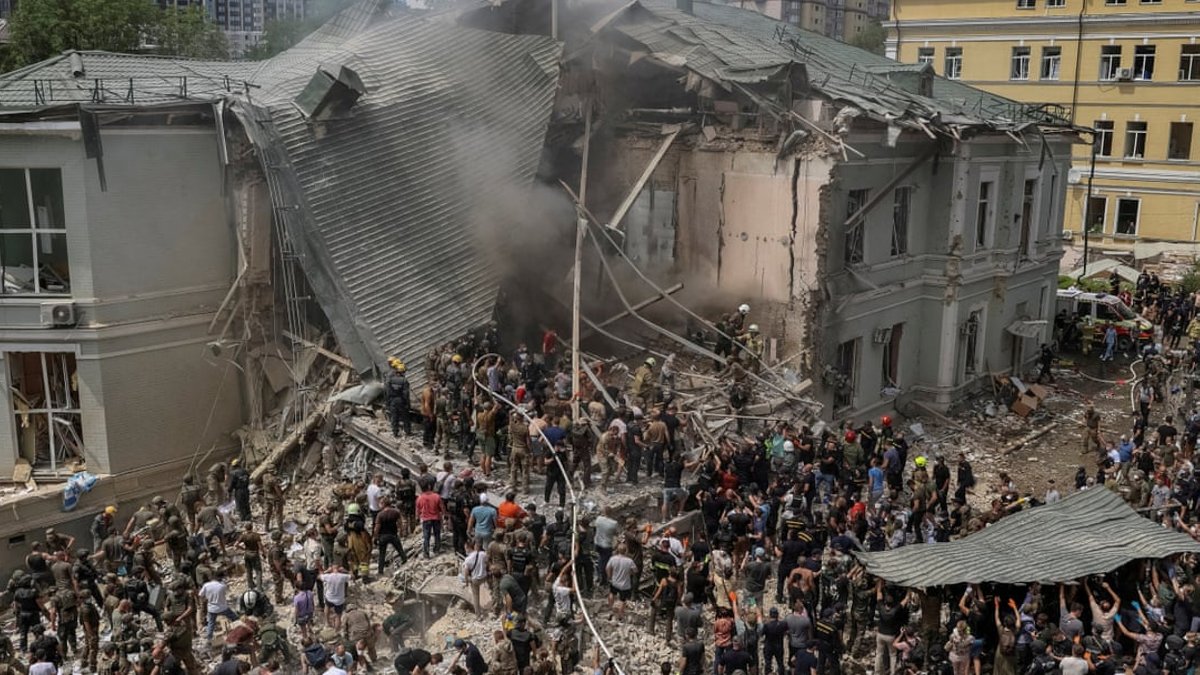
Hospital attacks have surged worldwide, with more than 2,500 documented incidents in 2023 across 33 nations, according to the Safeguarding Health in Conflict Coalition.
Attacks on hospitals are rising.
From Kherson to Gaza: a pattern emerges
On 4 June, Liubov Martynenko left the underground maternity ward where she works in Kherson, Ukraine, and rode an ambulance to collect meals for patients in the city’s “red zone.” While entering the grounds of Luchansky city clinical hospital, a drone hovered a few metres away, the driver shouted, “It’s flying!” The unmanned aircraft struck the side of the ambulance, exploding and injuring both the driver and Martynenko with shrapnel and concussion.
Related: Choosing the Right Family Law Attorney for Your Situation
Both survived, receiving treatment at the same facility. The midwife said the driver’s quick reversal saved their lives, noting that the vehicle bore an Italian donation label and a red cross—symbols that should guarantee protection under international law.
She added that without the driver’s quick reactions, the drone would have hit the front of the vehicle and they probably would have died. Similar strikes have hit hospitals in Sudan, Myanmar, the Democratic Republic of the Congo and Afghanistan, with attacks more than doubling since 2021.
Legal protections eroding
Hospitals, medical staff and the wounded have been protected since the first Geneva Convention in 1864, a principle reaffirmed by a United Nations Security Council resolution ten years ago. In practice, these safeguards are weakening as state actors increasingly invoke “dual‑use” claims, arguing that health facilities serve military purposes.
Russia and Israel are among the most frequently cited offenders, yet they have provided little public evidence to substantiate the dual‑use argument. International lawyers contend that the loophole does not excuse attacks, because a target must be verified as a military objective, any harm must be proportionate, and advance evacuation warnings must be issued.
Related: Federal court ends decades‑long Louisiana school desegregation case
One reason the battlefield has shifted is the rise of drones and long‑range strikes, which blur the line between civilian and combat zones. When any structure could support a fighting force, hospitals become vulnerable by definition.
In the short term, the fallout includes preventable deaths, interruptions to routine care, and a decline in vaccination rates. Long‑term consequences may linger for decades, especially when trained staff are lost.
Impact on civilian life
In Lebanon, 247 incidents have affected health care since Israel’s offensive began in March, killing 148 health workers. Three hospitals were struck in a single week last month, leaving dozens wounded. Similar attacks in Kharkiv, Sloviansk and Kherson forced women to give birth in basements as drones circled overhead.
Related: A Practical Guide for Residents Seeking a Fargo Car Accident Attorney or Fargo Truck Accident Lawyer
When hospitals are unsafe, patients avoid seeking care, leading to unassisted childbirths, spikes in preventable illnesses and outbreaks of disease as routine vaccinations halt. The strain on already fragile health systems can trigger a cascade of public‑health crises that outlast the conflict itself.
According to the Safeguarding Health in Conflict report, the highest numbers of attacks have been recorded in Palestine, Lebanon and Ukraine, with Sudan ranking fourth. The concentration of incidents in these regions shows how modern warfare increasingly blurs the distinction between combatants and civilians.
Efforts to document and condemn these attacks continue, but without concrete legal repercussions, the cycle of targeting health facilities is likely to persist.





Leave a Reply