Identifying the primary origins of residential structural fires allows homeowners to implement targeted prevention strategies and protect their properties. Fire investigators rely on physical burn patterns, arc mapping, and debris analysis to pinpoint exactly where and how a fire started. Data gathered from thousands of fire scenes reveals that the vast majority of home fires stem from predictable human behaviors and preventable equipment failures. Recognizing these common ignition sources transforms fire safety from a matter of luck into a practical routine of risk reduction.
Cooking Hazards and Kitchen Negligence
Unattended cooking equipment stands as the leading cause of residential fires and related injuries worldwide. Most kitchen fires ignite within minutes when fat, oil, or grease overheats on a stovetop and reaches its auto-ignition temperature. Once a grease fire begins, it spreads rapidly across cabinetry and walls, especially if a cook mistakenly attempts to extinguish the flames using water.
Combustible items left too close to hot cooking surfaces represent another frequent source of ignition. Dish towels, cardboard packaging, and plastic utensils can easily catch fire if left adjacent to an active burner.
Electrical Failures and Circuit Overloading
Faulty electrical wiring and overloaded circuits generate intense heat capable of igniting nearby building insulation and structural wood framing. Arc faults occur when damaged, worn, or poorly installed wires leak electrical current, creating high-temperature sparks behind drywall. These hidden electrical fires can smolder unnoticed inside wall cavities for hours before breaking through to the living space.
Misusing extension cords and overloading power strips creates severe thermal stress within temporary electrical configurations. Plugging high-wattage appliances like space heaters or air conditioners into standard extension cords exceeds the wire current capacity, melting the protective plastic insulation. Upgrading electrical panels and hiring licensed electricians to inspect older home wiring eliminates these hidden system vulnerabilities.
Heating Equipment Malfunctions and Clearance Failures
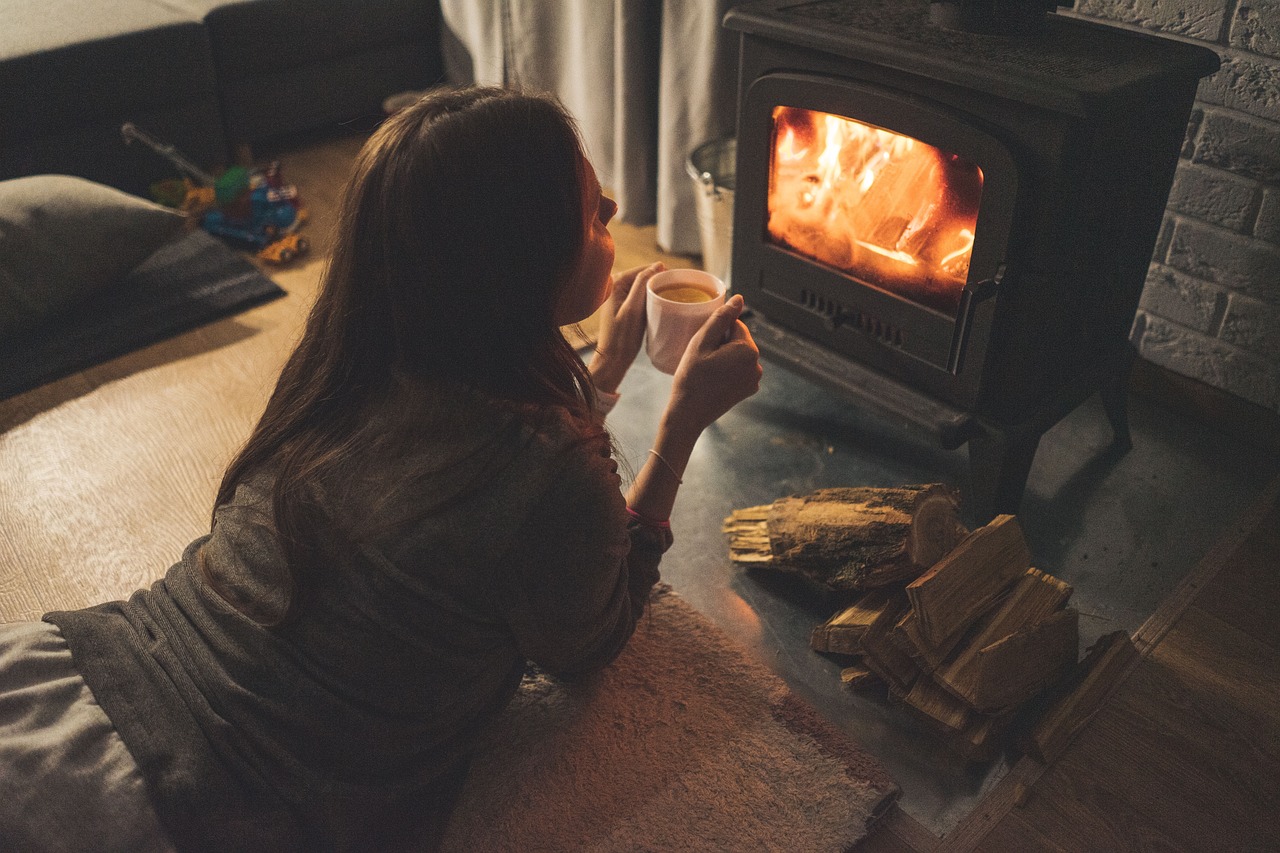
Neglected heating systems and poorly placed space heaters represent a major threat during cold seasonal weather transitions. Creosote accumulation inside chimney flues is a primary driver of structural fireplace fires, igniting when intense heat from a wood fire catches the combustible tar residue. Annual chimney cleanings and professional inspections prevent these high-temperature flue fires from cracking the chimney mortar and spreading to the attic.
Portable space heaters contribute heavily to residential fire statistics when placed too close to flammable household items. Curtains, bedding, upholstered furniture, and clothing must be kept at a safe distance from any supplemental heating appliance. Utilizing heaters equipped with automatic tip-over shutoff switches adds an indispensable layer of safety to your home heating setup.
Direct Fire Risks and Preventive Actions
Organizing your home fire prevention efforts around established investigator data helps isolate and eliminate hidden hazards systematically. Simple environmental adjustments yield massive improvements in household safety margins.
Inspecting power cords regularly for fraying or exposed copper conductors prevents structural short circuits from developing in high-traffic living areas. Keeping standard fire extinguishers readily accessible near the kitchen and garage ensures you can suppress minor flames before they expand beyond control.
Vital Fire Safety Protocols for Every Household
Maintaining a fire-resistant home environment requires a combination of functional detection hardware and well-practiced emergency escape plans.
- Smoke Alarm Calibration: Testing smoke detectors monthly and replacing battery units twice a year ensures early warning capabilities when visibility drops.
- Clearance Zone Enforcement: Keeping all flammable decorations, blankets, and papers away from baseboard heaters, radiators, and electronics.
- Safe Appliance Operation: Plugging major appliances directly into wall outlets rather than relying on power strips or temporary splitters.
- Open Flame Supervision: Extinguishing candles completely when leaving a room and storing matches safely out of reach of children.
Conclusion
Understanding the common causes of building fire cause investigation shifts the focus of home safety from reactive panic to proactive prevention. The raw materials required for a catastrophic fire to spread are eliminated by removing unattended cooking, repairing stressed electrical circuits, and maintaining heating systems. Investing a small amount of time into routine home inspections protects your structural investment and secures the lives of everyone inside. Taking charge of these manageable risk factors ensures your property remains a safe, resilient sanctuary for decades to come.




Leave a Reply