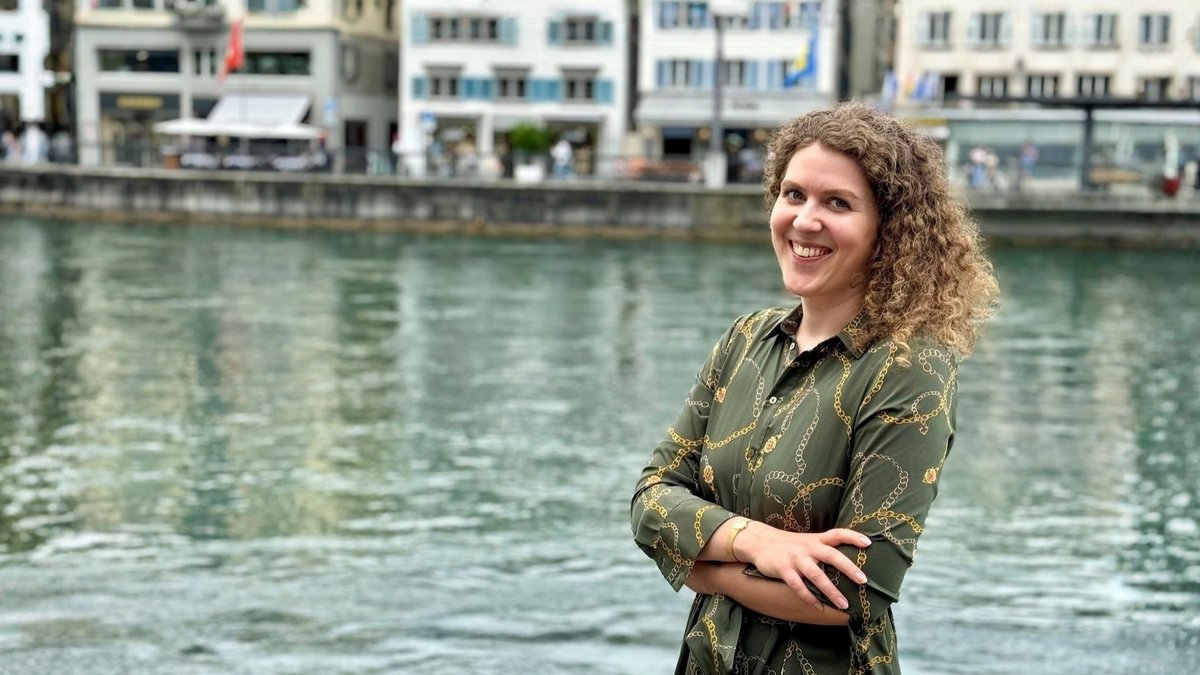
Dr. Franziska E. Höhne operates from a hotel in Yokohama, where views of the harbor often reveal Mount Fuji on clear days. She is among the rare lawyers who have made digital nomadism a lasting career, juggling client work, global travel, and a life centered on adaptability instead of a fixed office. Her recent assignment is Japan, but her schedule has included stops in the Fiji Islands and New Zealand over the past year.
Her professional journey began in Freiburg, where she studied law and completed her traineeship before relocating to Switzerland. The decision was influenced by her husband’s career and the country’s reliable infrastructure. “The trains are always punctual,” she observes, valuing both the efficiency and the Alpine scenery. She had held roles in Zürich and Zug, but changes in the pharmaceutical legal environment prompted her to take action when her position as Legal Counsel at a Swiss firm became uncertain.
Preventive law: Drafting contracts before disputes arise
In January 2025, Höhne established her own practice as a “virtual legal department,” specializing in contract drafting, competition law, and data protection for health sector clients. Unlike traditional legal professionals, she avoids litigation, instead focusing on preventive measures: helping companies draft terms of service, evaluate marketing claims, or assess telemedicine startups before regulatory challenges arise. “This is like a health check for businesses,” she states. “The aim is to identify risks before they escalate into problems.”
Read Also: German Court Orders Influencer to Remove Misleading Video
Her client list includes practitioners offering online coaching, supplement companies complying with advertising regulations, and digital health platforms preparing for market entry. She has also reviewed a naturopath’s social media campaign to ensure compliance with consumer protection laws. The work demands precision, yet her location remains flexible.
The seven-hour time difference between Japan and Central Europe has become an advantage. While European clients are asleep, Höhne completes focused work without interruptions. Meetings typically occur in the late afternoon, aligning with her clients’ schedules. “If a potential client only contacts me by noon their time,” she notes, “those may not be the best fits anyway.”
Remote work demands: Time zones, internet, and adaptability
However, the lifestyle presents challenges. During her stay in the Fiji Islands earlier this year, unreliable internet forced her to activate an out-of-office reply. Though she had prepared for disruptions, the experience showed a fundamental requirement: stability demands careful planning. “You learn to work in concentrated periods,” she says. “Long flights become dedicated work sessions, and slow connections mean grouping tasks together.” Social media, her main tool for attracting clients, remains essential, even from remote locations.
Read Also: German court weighs war crimes case over Nord Stream sabotage
Höhne’s next destinations include China, with planned stops in Peking and Shanghai, followed by a possible visit to South Korea. Her return flight from Japan is scheduled for mid-November, though flexibility remains a priority. Her Swiss passport application is still pending, a step that would strengthen her ties to the country where she has lived for over four years. For now, the equilibrium between travel and stability aligns with her preferences.
Höhne’s connection to Japan extends beyond professional arrangements. This is her fourth visit, drawn to both its efficiency and cultural contrasts. “I appreciate the blend of tradition and innovation,” she says. Her first solo trip was motivated by Japan’s reputation as a safe destination. Now, she and her husband explore together, balancing work with leisure. She has begun studying Japanese, a skill that aids daily interactions beyond tourist areas. Local food remains a highlight, though she admits her German taste still struggles with wasabi’s sharpness. The country’s public transport—particularly the Shinkansen high-speed trains—reinforces her long-standing admiration for punctuality, a trait she first noticed in Switzerland.





Leave a Reply