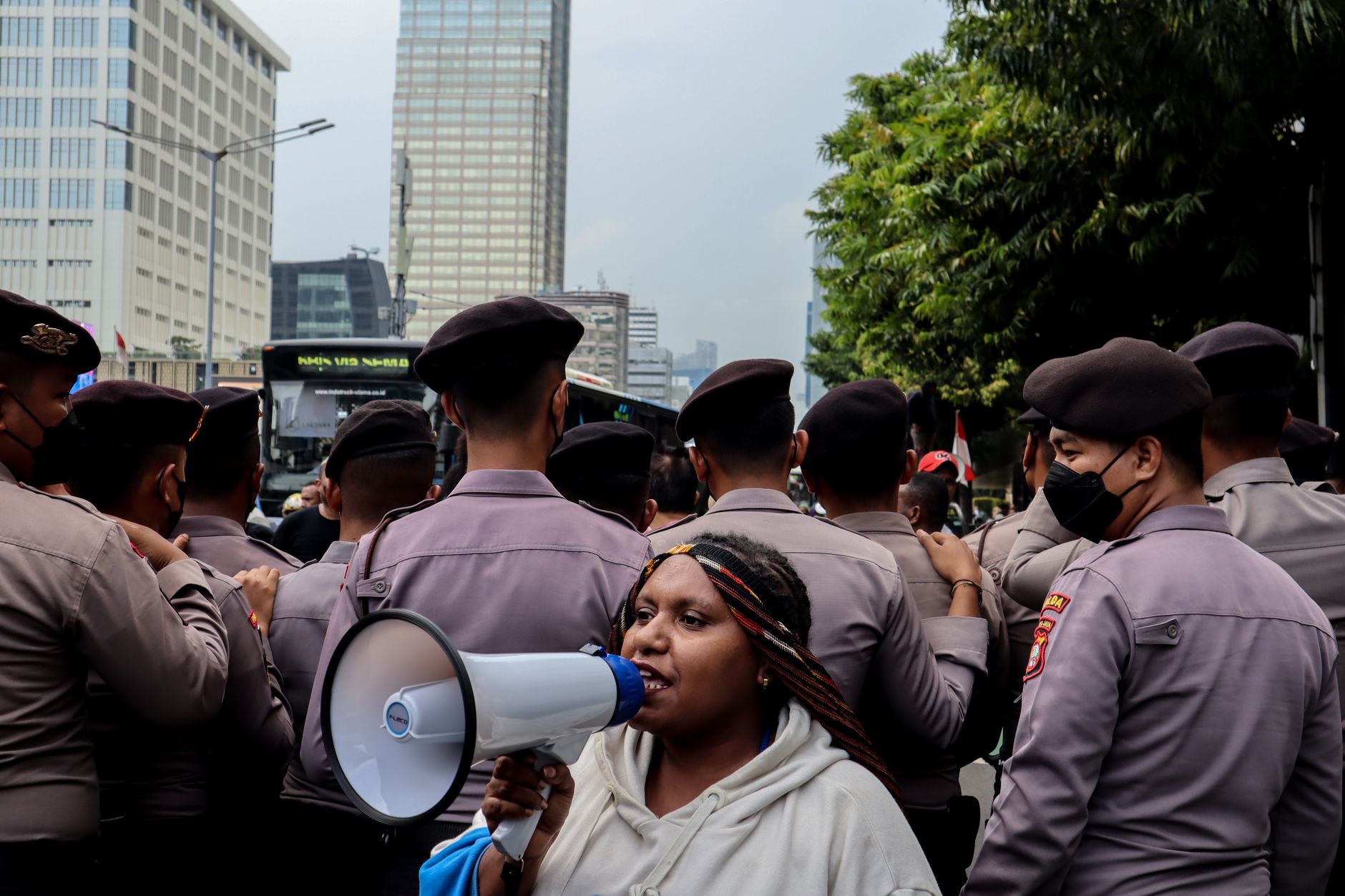
Indonesia’s constitution declares the country a “pan‑religious” nation‑state, but the reality for many minority faiths remains a patchwork of legal hurdles and social exclusion.
Legal framework favors six recognized religions
The state officially acknowledges Islam, Protestantism, Catholicism, Buddhism, Hinduism and Confucianism. This list stems from the 1965 blasphemy law, which permits criminal prosecution for “deviant” teachings. The 2006 Population Administrative Law then limited the religion field on national ID cards to one of those six options. People whose beliefs fall outside that roster often find the column blank, a situation that can block access to public services.
Case study: Indigenous belief and a missing religion label
Dessy Purba, a member of the Ugamo Bangsa Batak community, struggled to secure employment after her ID card listed no religion. Without a recognized faith, employers questioned her eligibility for certain positions. Similar stories echo across Indonesia, where indigenous adherents cannot register marriages or obtain birth certificates for their children because the paperwork demands a recognized religion.
Related: How New Indefinite Leave Rules Could Change the Timeline for Families
Shia and Ahmadi minorities face criminalization
Violence against Shia and Ahmadi groups has been reported for years, but the government’s response has often mirrored that hostility. After the Majelis Ulama Indonesia (MUI) declared these sects “deviant,” a joint ministerial decree banned Ahmadi activities outright. Leaders of Shia communities have faced imprisonment, and some families have been forced to relocate to remote camps where education and health services are scarce.
One tragic example involved a 17‑year‑old from Sampang whose burial was denied because she had spent time with a Shia grandfather. The incident highlights how religious classification can affect even the most basic rites.
Judicial review offers uneven relief
Since 2025, several petitions have reached the Constitutional Court challenging the blasphemy law’s restrictions. The court consistently rejected arguments that external expressions of faith should be protected, citing the need to preserve “religious harmony.” In contrast, a separate case concerning the ID‑card religion field resulted in a ruling that the column must accommodate beliefs not listed among the six recognized faiths. The disparity suggests the court’s decisions are swayed by the political weight of conservative Islamic groups.
Legal scholars note that the court’s reliance on “harmony” often masks a reluctance to confront majority pressure. The decision on the ID‑card issue, however, shows that the judiciary can sometimes push back, offering a narrow opening for indigenous believers.
Related: CFTC, DOJ Charge Software Engineer With Insider Trading
Health care denial shows bureaucratic rigidity
Repan, a 16‑year‑old Baduy Dalam member, was turned away from a hospital after a mugging because his identification lacked a recognized religion. The incident shows how rigid documentation requirements can translate into life‑threatening denial of services for minority groups.
Minorities still face daily obstacles.
Calls for reform meet political resistance
Activists argue that expanding the list of recognized religions or allowing a “no religion” option would reduce discrimination. Yet lawmakers remain hesitant, fearing that broader inclusion could destabilize the nation’s fragile unity. The tension between protecting minority rights and preserving a cohesive national identity continues to shape policy debates.
International observers, such as the United Nations Human Rights Office, have urged Indonesia to align its practices with the International Covenant on Civil and Political Rights, which guarantees freedom of religion. Domestic NGOs, meanwhile, keep filing cases and lobbying for legislative change, hoping to shift the balance over time.
Related: Parastoo Ahmadi warns of Iran’s legal ownership shift
What the numbers say
According to the latest government data, over 1.5 million Indonesians identify with beliefs not among the six officially recognized religions. Of those, roughly 30 percent reported difficulties accessing government services, while 12 percent said they have faced direct discrimination in employment or education.
These figures sit beside reports of at least 45 documented incidents of violence against Shia and Ahmadi communities in the past decade.
Looking ahead
While the constitutional framework provides a mechanism for legal challenges, the track record of the Constitutional Court suggests that change will be incremental at best. Advocates remain determined, however, to keep the issue on the national agenda, arguing that true unity can only be achieved when every citizen, regardless of faith, enjoys equal protection under the law.




Leave a Reply