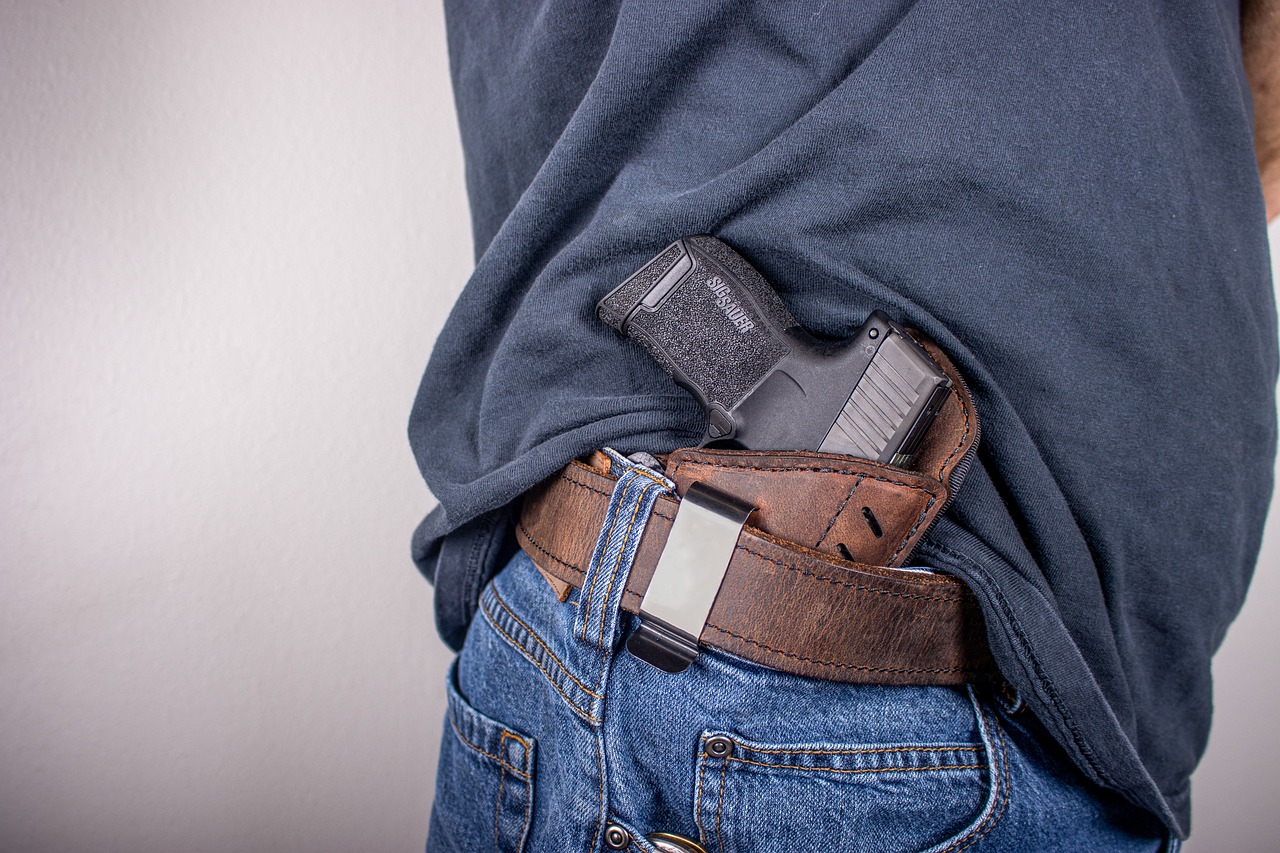
For generations of hunters, hikers, and woodsmen, the bond between a person and their gear has been a defining aspect of the outdoor experience. While modern materials like Kydex and nylon have made significant inroads into the world of firearm carry, leather remains the premier choice for those who spend their days in the wilderness. The enduring popularity of leather is not merely a matter of tradition or aesthetics; it is rooted in the unique physical properties of the material and its ability to adapt to the rigors of the natural world. Choosing the right leather holsters for hunting and outdoor use requires an understanding of how form, function, and environment intersect to protect both the user and their sidearm.
Essential Styles for Hunting and Backcountry Carry
When selecting a leather holster for outdoor use, the style of carry is just as important as the material. For many hunters, the chest holster has become the gold standard. When you are wearing a heavy backpack with a thick waist belt, a traditional hip holster can be difficult to access and uncomfortable to wear. A chest holster positions the firearm in the center of the torso, keeping it clear of pack straps and brush while remaining easily accessible for a quick draw. Leather chest rigs are particularly valued for their durability and the way they distribute weight across the shoulders, making them ideal for carrying large-frame revolvers often used for bear protection.
The classic scabbard or pancake holster remains a popular choice for those who prefer belt carry. These designs are often built with a slight forward cant, which makes drawing easier while seated or riding on an ATV. For outdoor use, it is vital to choose a holster with a thumb break or a retention strap. In the backcountry, you are likely to be climbing over fallen logs, crossing streams, or navigating steep inclines. A simple friction-fit holster may not provide enough security to keep your firearm in place during strenuous physical activity. A leather strap with a heavy-duty snap ensures that your sidearm stays exactly where it should be, regardless of how much you move.
Durability and Weather Resistance in the Field
A common concern among outdoor enthusiasts is how leather performs in wet or humid conditions. It is true that leather is a porous material, but modern tanning and finishing processes have made it remarkably resilient. Many manufacturers of outdoor holsters use heavy-grain steerhide or water-buffalo leather, which is then treated with waxes and oils to repel moisture. When properly maintained, a leather holster can withstand rain, snow, and sweat without losing its structural integrity. In fact, many experienced woodsmen prefer the way leather ages; it develops a patina that tells the story of your adventures, becoming more beautiful and character-filled with every season.
To ensure your holster survives the elements, it is important to understand the difference between decorative leather and work-grade leather. For hunting, you should look for holsters made from thick, vegetable-tanned hides. This process uses natural tannins found in bark and plants, resulting in a firm, durable leather that maintains its shape over decades of use. Cheap, chrome-tanned leathers are often too soft and can contain chemicals that may actually harm the finish of your gun over time. By investing in a high-quality, purpose-built outdoor holster, you are choosing a piece of equipment that is designed to be a lifelong companion.
The Psychological Connection to Tradition
Beyond the technical specifications, there is an undeniable psychological appeal to using leather gear in the outdoors. Hunting and hiking are activities that connect us to the past, and carrying a leather holster feels like a continuation of a long heritage of craftsmanship. There is a sensory experience involved: the smell of the leather, the sound of the snap, and the way the material warms to the touch. In a world increasingly dominated by disposable, mass-produced plastic goods, a hand-boned leather holster represents a commitment to quality and a respect for the tools we use in the wild.
This connection to tradition does not mean sacrificing modern performance. Today’s premier holster makers combine old-world techniques with modern design to create rigs that are as functional as they are beautiful. Whether you are tracking elk in the high Rockies or simply enjoying a weekend hike in a local forest, the presence of a well-made leather holster on your hip or chest provides a sense of preparedness and confidence. It is a piece of gear that does its job quietly and reliably, allowing you to focus on the beauty of the natural world around you.