For anyone who carries a handgun for personal defense, the holster is not an accessory—it is a piece of essential safety and performance equipment. It is the critical connection between the firearm and the user, serving the fundamental purpose of securing the weapon, protecting the trigger guard, and ensuring a fast, consistent draw stroke. Choosing the perfect holster is a decision that requires thoughtful consideration of one’s lifestyle, body type, and, most importantly, the intended carry style. A mismatch between the holster and the user’s needs can lead to discomfort, slow response times, and, in the worst-case scenario, an unsafe retention environment.
The market is vast, filled with materials ranging from leather and Kydex to hybrid combinations. The sheer volume of choices can be overwhelming, but by breaking down the decision into key factors—security, concealability, comfort, and position—the perfect holster can be identified, transforming the act of carrying from a chore into a seamless aspect of daily life.
Understanding the Primary Carry Styles
The first step in selecting handgun holsters is defining the primary carry method, as this dictates the necessary features of the gear.
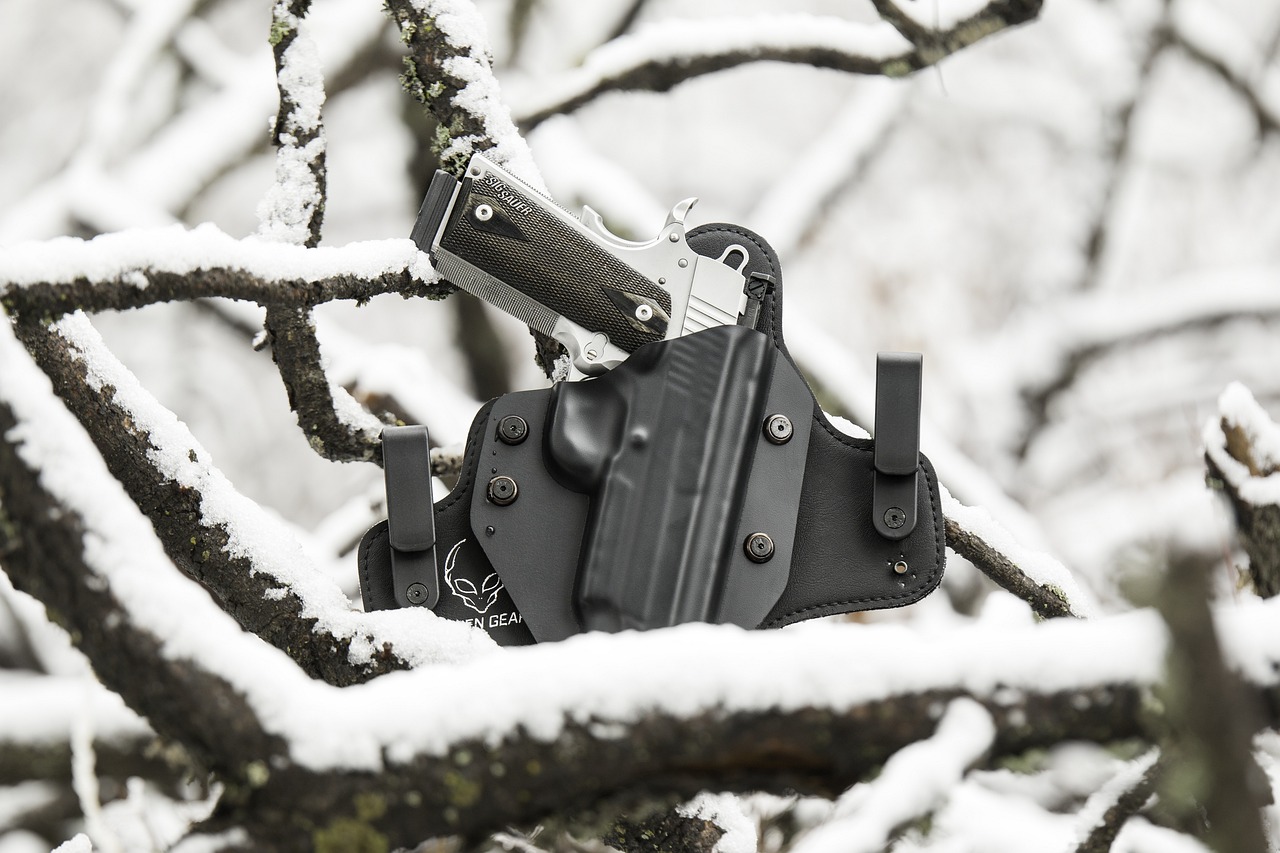
- Inside the Waistband (IWB): This is the most popular style for concealed carry. The holster sits between the body and the waistband of the pants. It offers superior concealment because the bulk of the firearm is tucked inside the clothing line. IWB holsters require pants that are slightly larger than normal to accommodate the gun and holster.
- Outside the Waistband (OWB): The holster attaches to the belt on the outside of the pants. OWB carry is generally more comfortable and allows for a faster draw, making it popular for open carry, range use, or duty/uniform carry. For concealed carry, it requires a covering garment, like a jacket or a loose shirt, to completely hide the weapon.
- Appendix Carry (AIWB): A specialized form of IWB where the holster is worn on the front, near the appendix (between 11 and 1 o’clock). It offers excellent concealment, a very fast draw, and high visibility of the weapon, which many consider a major safety benefit. However, it can be less comfortable when sitting down and requires specific holster designs to mitigate risk.
- Specialty Carry: This includes ankle holsters, shoulder holsters, pocket holsters, and deep concealment rigs. These are typically chosen for specific scenarios, clothing requirements, or as backup systems.
Attention to the Draw Stroke and Weapon Presentation
A holster’s functionality is ultimately judged by the speed and consistency of the draw stroke. An ideal holster should allow for a clean, unobstructed grip on the firearm while it is still holstered.
For concealment, the cant (the angle of the holster) is a key factor. A slight forward cant (muzzle pointing slightly backward) for IWB carry at the 3 o’clock position often aids concealment by tucking the grip into the curve of the body. For AIWB, a vertical or slight reverse cant is usually preferred. The belt clips must also be secure, keeping the holster firmly attached to the belt during the draw, ensuring that the holster remains where it is supposed to be. The best holsters are custom-molded to the exact model of your firearm, including any accessories like red dot sights or weapon lights, ensuring a perfect fit and consistent retention.
Conclusion: Prioritizing Safety and Consistency
Choosing the perfect handgun holster is a deeply personal and critical decision that should never be rushed or based solely on price. The holster is a piece of safety equipment that protects the trigger guard and ensures the weapon is secure. It is also a piece of performance equipment that dictates your draw speed and consistency under stress.
By prioritizing safety through reliable retention, ensuring comfort for consistent carry, and matching the material and design to your chosen carry style, you create a seamless system. The perfect holster is the one that allows you to carry your firearm safely, comfortably, and consistently every single day, turning a responsible necessity into a confident reality.