The UK Court of Appeal has upheld the government’s decision to ban the advocacy group Palestine Action, reversing a High Court ruling that had found the proscription unlawful. The group was designated a terrorist organization on June 30, 2025, under the Terrorism Act 2000, a move formally endorsed by former Home Secretary Yvette Cooper. The designation followed a decision by the Home Secretary on June 15, 2025, in which the Court of Appeal ruled that the proscription was lawful, overturning the High Court’s February 2025 decision that had deemed it unlawful. Cooper’s justification for the ban, as outlined in parliamentary debates, centered on allegations of serious property damage attributed to Palestine Action’s activities, which she argued fell squarely within the scope of Section 1(2)(b) of the Terrorism Act 2000. This provision permits the proscription of groups involved in acts that cause “serious damage to property,” a criterion the Home Secretary claimed was met by the group’s actions.
Related: HRW report reveals Minnesota raids violated human rights
Section 3(4) of the Terrorism Act 2000 empowers the Home Secretary to independently designate groups as terrorist organizations and ban them if she determines they are involved in terrorism. Ms. Ammori, the claimant in the case, challenged the proscription, arguing that the Home Secretary had failed to adhere to her own policy guidelines and that the decision violated her rights to free expression and assembly under the European Convention on Human Rights. While the High Court initially ruled in her favor, the Court of Appeal rejected her appeal, stating that the Home Secretary had not breached her policy and emphasizing the need to balance individual rights with national security imperatives. The five appeals judges noted that the Home Secretary’s decision required a careful evaluation of factors such as the protection of public safety and the preservation of national security, particularly in light of the group’s alleged targeting of UK-based international defense enterprises.
The court explicitly rejected the claim that Palestine Action engaged in peaceful protest, citing its direct targeting of UK military infrastructure, including the Brize Norton base, a key component of the UK’s defense network. This action, according to the Home Secretary, posed a direct threat to national security. The judgment also highlighted a significant legal shift: the first time Section 1(2)(b) of the Terrorism Act 2000 had been applied to proscribe a non-violent group, thereby lowering the “sufficiently serious” threshold for classifying groups as terrorist organizations. Critics have raised concerns that this interpretation could enable the government to escalate legal measures against protesters without necessitating proscription, potentially expanding the scope of counter-terrorism powers in ways that may undermine civil liberties.
Related: Commercial Real Estate Investing: Florida Trends to Watch – Lawrence Todd Maxwell
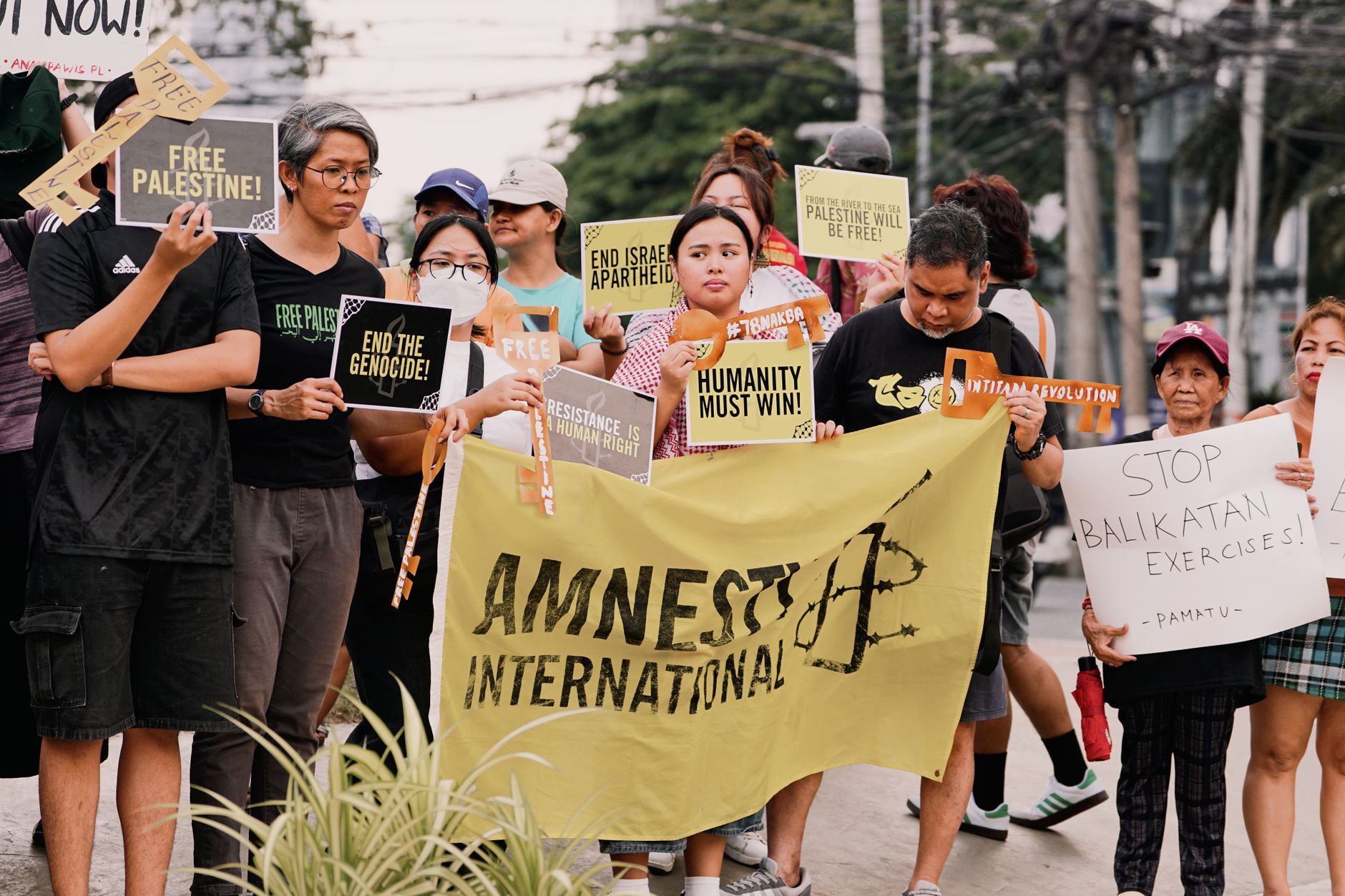
Human rights organizations, including Amnesty International, have expressed deep concern over the ruling, with the director of the UK’s legal program condemning the decision as a disproportionate response to direct action protests. The organization’s statement, published in response to the ruling, described the judgment as a “shameful chapter in our history.” Thousands of demonstrators have been arrested since the ban took effect, with some individuals detained for merely holding placards expressing views on the conflict in West Asia. These arrests, as noted in government statistics, include individuals who have not engaged in violent acts, raising questions about the proportionality of the legal measures applied.
Mrs. Ammori has vowed to continue challenging the ban, describing it as an “extreme attack on free speech and the right to protest in modern British history.” Legal experts have highlighted broader implications of the ruling, noting that Section 3 of the Terrorism Act 2000 affords the executive broad powers to restrict collective liberties. The proscription has sparked ongoing legal battles between the Home Office and Ms. Ammori, with the Supreme Court set to determine whether Palestine Action will be granted permission to appeal the judgment. The ruling has also drawn scrutiny over the erosion of civic space and the potential threat to the rule of law, as the ability to hold government power to account appears increasingly constrained by the expansive interpretation of counter-terrorism legislation.
Related: GAO sustains protest over flawed corrective action
The effect of the proscription has led to the arrest of 1,630 peaceful protestors, as documented in government statistics. These figures show the scale of the impact on individuals exercising their right to protest, with unrelenting restrictions on civic space fueling concerns about the long-term consequences for democratic freedoms in the UK. The legal battle over the proscription continues, with the Supreme Court poised to deliver a final determination on the matter, further testing the boundaries of national security interests and the protection of fundamental rights under the law.




Leave a Reply