
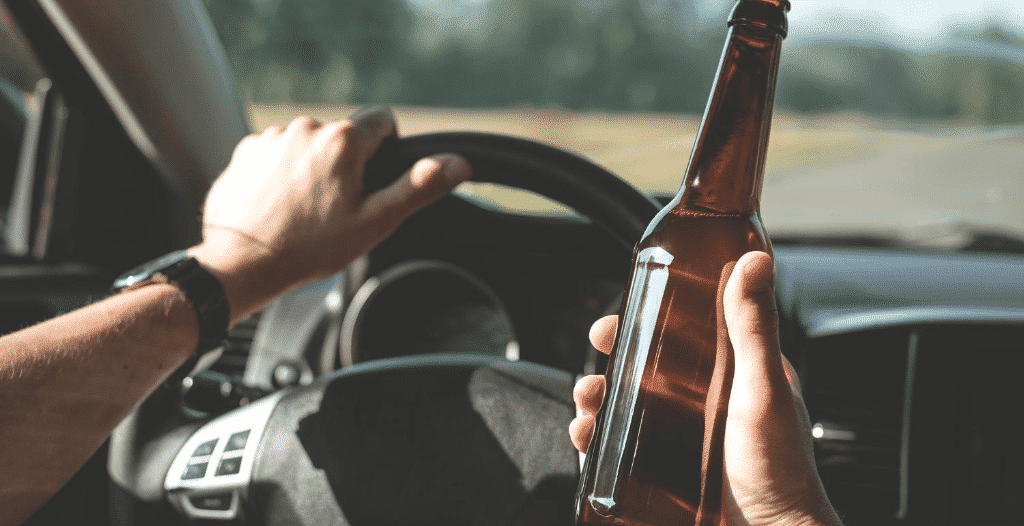
A conviction for Driving Under the Influence (DUI) brings with it severe consequences, none perhaps as immediately disruptive to daily life as the suspension or revocation of one’s driver’s license. Suddenly, the simple acts of commuting to work, taking children to school, or attending vital medical appointments become logistical nightmares. For many, losing driving privileges translates to losing a job, disrupting education, and struggling to maintain basic life responsibilities. Recognizing this profound impact, many states offer a potential lifeline: the hardship license, also commonly known as a restricted license, occupational license, or limited driving permit.
A hardship license florida is not a full reinstatement of driving privileges; rather, it is a court- or state-issued document that allows individuals with a suspended license to drive under specific, strict conditions. Its purpose is to mitigate the extreme financial and personal difficulty—the “hardship”—caused by the loss of driving ability, allowing the individual to fulfill essential daily obligations while still adhering to the legal penalties imposed for the offense. Obtaining this license is a complex process, but it is a critical step for regaining structure and stability during a difficult period.
Defining the Need: Proving the Hardship
The core of the hardship license application process is proving an essential need to drive. The state or court must be convinced that the inability to drive causes a significant disruption to the applicant’s life that cannot reasonably be solved by public transportation, ride-sharing, or relying on others.
The restricted driving privileges granted by a hardship license are almost universally limited to specific, necessary activities. These often include:
- Commuting to and from a place of employment. This is typically the most common reason, as the inability to get to work directly impacts a person’s ability to pay fines and meet financial obligations.
- Attending school or educational programs, including taking children to school or childcare.
- Making necessary medical appointments for the driver or an immediate family member.
- Driving to and from court-ordered programs, such as alcohol education classes, counseling, or substance abuse treatment.
- Obtaining food and household necessities.
The applicant must usually provide documented proof of this need, such as a letter from an employer verifying work hours, school enrollment verification, or medical documentation. The license will then be issued with precise restrictions, often detailing the hours of the day and the specific routes or counties in which the driver is permitted to operate a vehicle.
The Application Process: Navigating the Legal Maze
The application process for a hardship license is complex and often involves both the state’s Department of Motor Vehicles (DMV) or equivalent agency and a local court.
- Petition the Court: In many states, the process begins by filing a verified petition with the appropriate court (district, county, or justice court). This petition formally outlines the essential need for the license and includes all supporting documentation.
- Court Order: If the judge is satisfied that an essential need exists and the applicant meets all criteria, the court will issue a signed order granting the occupational or restricted privileges. This order is a crucial document, but it is often not the license itself.
- DMV Submission: The court order, along with proof of IID installation, SR-22 insurance, payment of reinstatement fees, and a completed DMV application, must then be submitted to the state’s licensing authority for final approval and issuance of the physical restricted license.
Because of the high degree of scrutiny and the meticulous documentation required, consulting with a lawyer who specializes in DUI or DWI cases is highly recommended. A mistake in the application process, such as submitting an incorrect form or failing to include a critical document, can result in a denial, forcing the applicant to restart the lengthy and expensive process.
Maintaining the Privilege: Strict Adherence to Rules
Once granted, the hardship license is a privilege that comes with an absolute requirement for strict compliance. Violating the terms of the restricted license can result in immediate revocation of the limited privileges, increased fines, additional license suspension time, and potentially new criminal charges.
Common violations include:
- Driving outside of the permitted hours or routes.
- Failing to maintain the required SR-22 insurance.
- Tampering with or failing the required tests on the ignition interlock device.
- Driving a vehicle that is not approved or does not have an IID installed (if required).
The restricted license serves as a contract with the state: in exchange for the ability to drive for necessities, the driver agrees to abide by every limitation imposed. This adherence demonstrates responsibility and is a necessary step toward the eventual full reinstatement of driving privileges, providing a structured path forward after a DUI conviction.